How Aging HVAC Systems Affect Home Value in Colorado Springs
Published: 2026-05-11 · By FrontRange Heating and Air Conditioning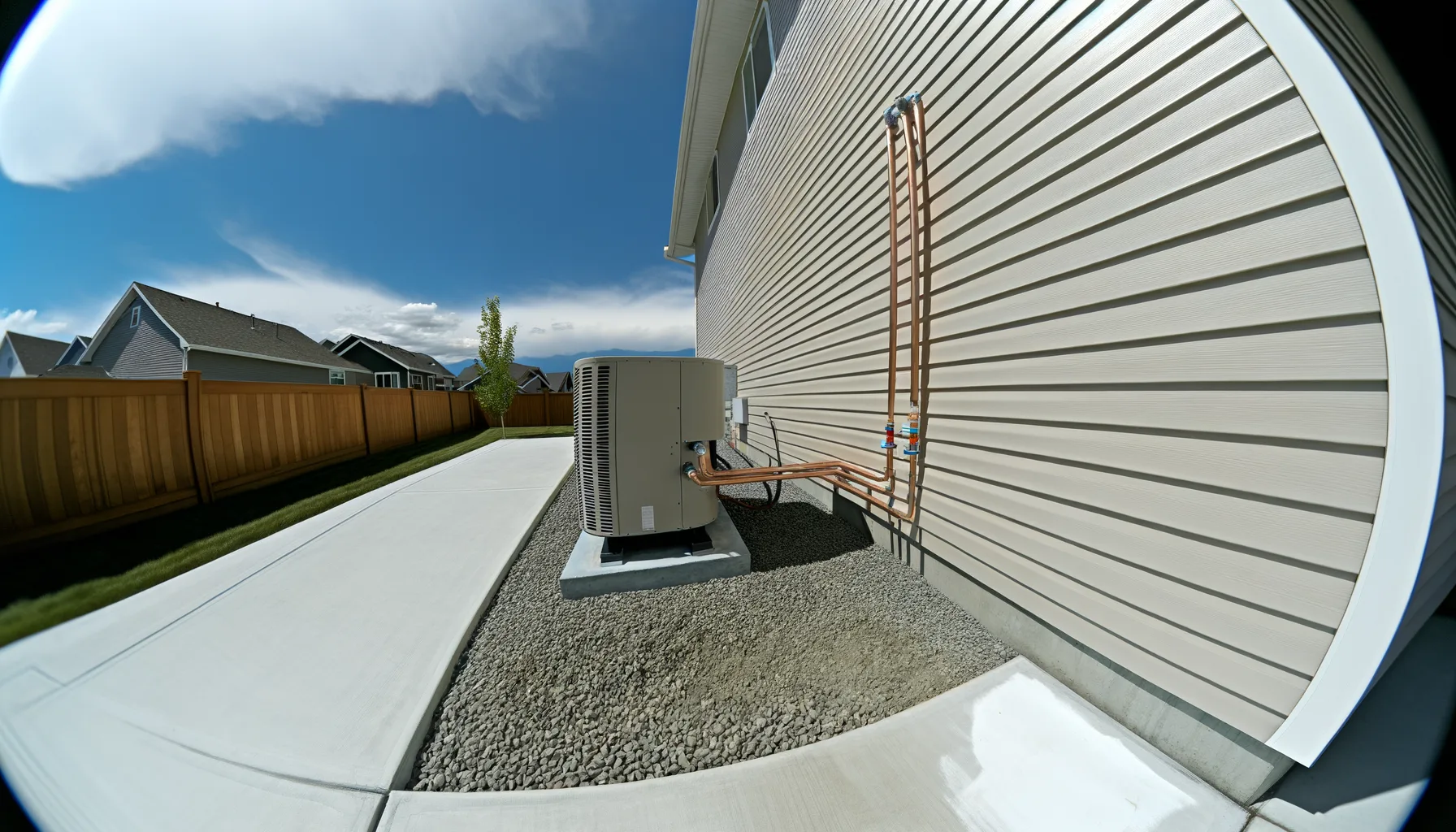
Imagine waking up on a frigid morning in Colorado Springs, only to find your HVAC system struggling to keep pace with the plummeting temperatures. In a city known for its rapid weather fluctuations, an aging heating and cooling system can leave you vulnerable to the elements. If your home relies on outdated or worn-out HVAC equipment, not only is your comfort at stake, but your property's value could also take a hit. This article explores how an aging HVAC system impacts home value and provides insights tailored to Colorado homeowners, especially given the unique climate and soil conditions of the area.
Why This Matters for Colorado Springs Homeowners
In Colorado Springs, where temperatures can swing dramatically from scorching summers to icy winters, the integrity of your HVAC system is crucial. An aging system may not operate efficiently, leading to higher energy bills and less consistent temperature control. Homebuyers today are increasingly aware of energy costs and system reliability; thus, a poorly functioning HVAC could turn away prospective buyers or result in a lower sale price.
Moreover, the unique soil conditions in Colorado, particularly expansive clay soils, exacerbate the need for reliable HVAC systems. Proper drainage and foundation stability are essential for ensuring that heating and cooling systems function as intended. Mold and moisture issues due to inefficient HVAC systems can further depreciate a home’s value, making system maintenance and upgrades an essential consideration for homeowners.
Ignoring your HVAC system can have long-term effects that far exceed immediate repair costs. Regular inspections not only enhance home comfort but also safeguard your property value against the unpredictable Colorado weather.
Expert Solutions & Actionable Tips
1. Regular Maintenance Checks
In Colorado Springs, routine maintenance for your HVAC system enhances performance and extends lifespan. Plan for servicing twice a year—once before winter and once before summer transitions. Services typically cost around $100 to $200 each visit. Scheduling an inspection before rapid temperature changes can help prevent costly breakdowns during peak seasons.
2. Energy Efficiency Upgrades
Investing in energy-efficient appliances can pay off in the long run, with modern systems offering significantly reduced energy costs. For instance, switching to a high-efficiency furnace or air conditioner might range from $3,000 to $7,000, but the savings on energy bills can help recover this investment within several years. Consider local rebates to offset upfront costs.
3. Assess Ductwork Condition
In many Colorado homes, duct systems can be a hidden culprit in inefficient heating and cooling. Evaluating your ductwork's condition ensures air flows effectively throughout your home. Research shows that 20-30% of airflow is lost due to leaks or blockages, making duct sealing a worthwhile investment, often costing between $1,000 to $2,500, depending on the extent of repairs needed.
4. Consider System Replacement
If your HVAC system is over 15 years old, it may be time to consider a replacement. New systems can provide improved efficiency and reliability, enhancing your property's market appeal. Expect to invest $4,000 to $12,000, depending on home size and system type. New installations are particularly attractive for potential buyers seeking long-term energy savings.
5. Stay Updated on Local Code Requirements
Colorado Springs has specific building codes when it comes to HVAC systems. Ensure your system complies with local regulations to avoid issues during property transactions. Factors such as ventilation, HVAC efficiency ratings, and carbon monoxide detectors are all regulated. Costs for ensuring compliance can range from $200 to $1,000 depending on your existing system and upgrades needed.
6. Document System History
Keeping detailed records of your HVAC system's maintenance history can be incredibly persuasive during a sale. A well-documented maintenance schedule shows prospective buyers that you have taken great care of the system. Simple documentation can cost little to nothing, but its potential impact on your home's value is substantial, giving buyers peace of mind that the HVAC system is reliable.
Colorado Springs Climate & Local Context
Colorado Springs presents unique climate challenges that directly affect HVAC systems. With rapid temperature swings and heavy spring snowmelt, homes often require HVAC solutions robust enough to handle both extreme cold and heat. Additionally, with many homes built on expansive clay soils, proper drainage is crucial to avoid structural stress, which can impact HVAC performance.
Local codes emphasize the importance of energy-efficient systems and relevant inspections, particularly as the community embraces more sustainable living practices. Homeowners must ensure that their HVAC systems not only comply with these regulations but also serve the specific needs of their property's architecture and surrounding environment.
When to Call a Professional
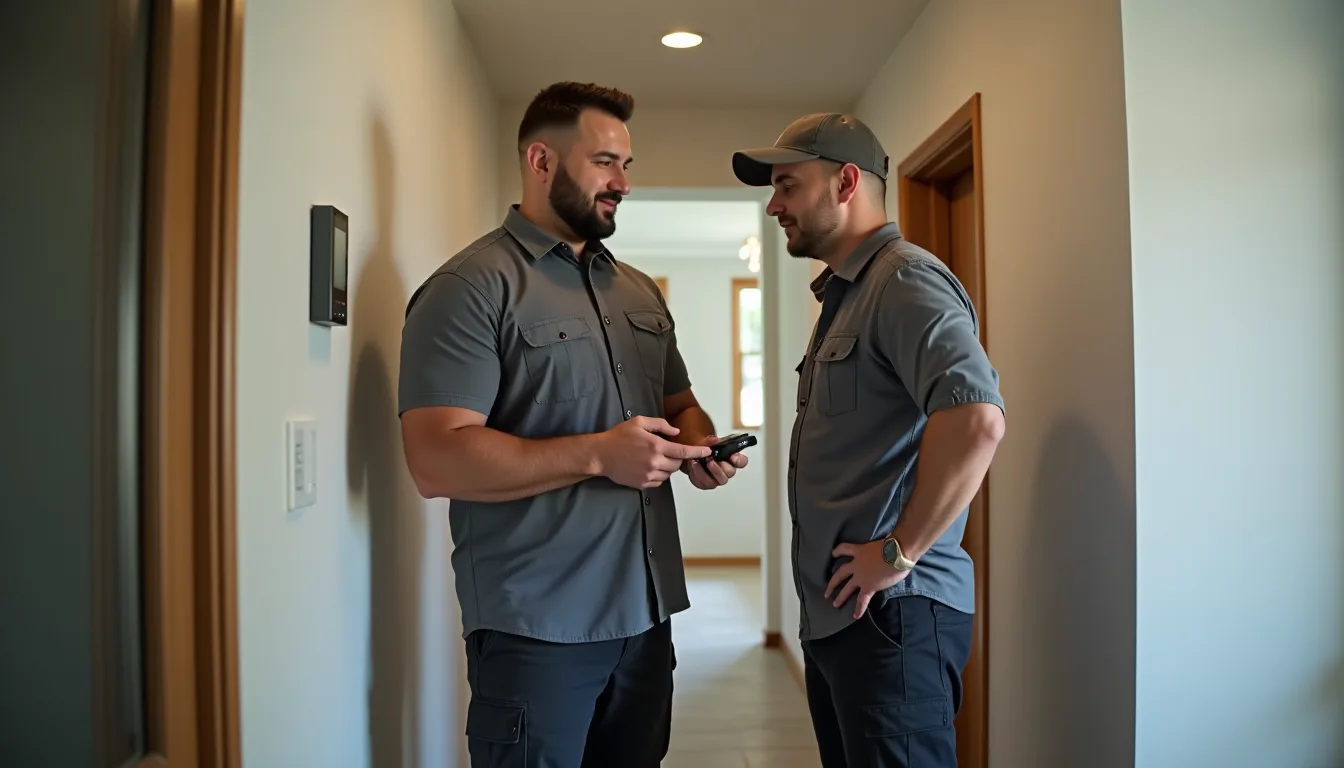
Knowing whether to tackle HVAC issues yourself or call a professional can save you time and money. Simple tasks, like changing filters or adjusting your thermostat, are often within the capability of most homeowners. However, any significant repairs or replacements should typically be left to the experts.
- Uneven heating or cooling throughout your home
- Signs of water damage around the HVAC unit
- Increased energy bills without changes in usage
- Unusual noises or smells coming from the HVAC system
- Age of system exceeding 15 years
- Frequent breakdowns or repairs
- Unresponsive thermostat
- Inconsistent air flow in ducts
If you encounter any of these red flags, it’s prudent to reach out to a licensed HVAC technician who can diagnose and resolve the issue effectively.
Frequently Asked Questions
What is the average lifespan of an HVAC system in Colorado Springs?
Typically, HVAC systems in Colorado Springs last approximately 15 to 20 years, depending on maintenance and usage.
How often should I replace my air filters?
It’s advisable to replace air filters every 1 to 3 months to maintain optimal air quality and system efficiency.
What should I do if my HVAC system starts making unusual noises?
Unusual noises may indicate a malfunction. It's best to contact a professional to assess the situation to prevent further damage.
Are energy-efficient HVAC systems worth the investment?
Yes, energy-efficient systems can significantly lower your energy bills and provide better climate control, making them a valuable investment in the long run.
How can I improve my home’s HVAC efficiency?
Regular maintenance, sealing ductwork, and upgrading to modern systems are effective ways to enhance HVAC efficiency in your home.
Get Expert HVAC Service in Colorado Springs
Don’t let an aging HVAC system drag down your home’s value. For dependable HVAC services tailored to the unique needs of Colorado Springs, reach out to FrontRange Heating and Air Conditioning today. Call (719) 370-4189 and let our local experts help ensure your comfort and home value remain intact.
Your comfort is our mission, and we are here to help you navigate the challenges of maintaining an efficient HVAC system in Colorado Springs.