The Future of HVAC Technology: What's Coming to Colorado Springs in 2026
Published: 2026-05-11 · By FrontRange Heating and Air Conditioning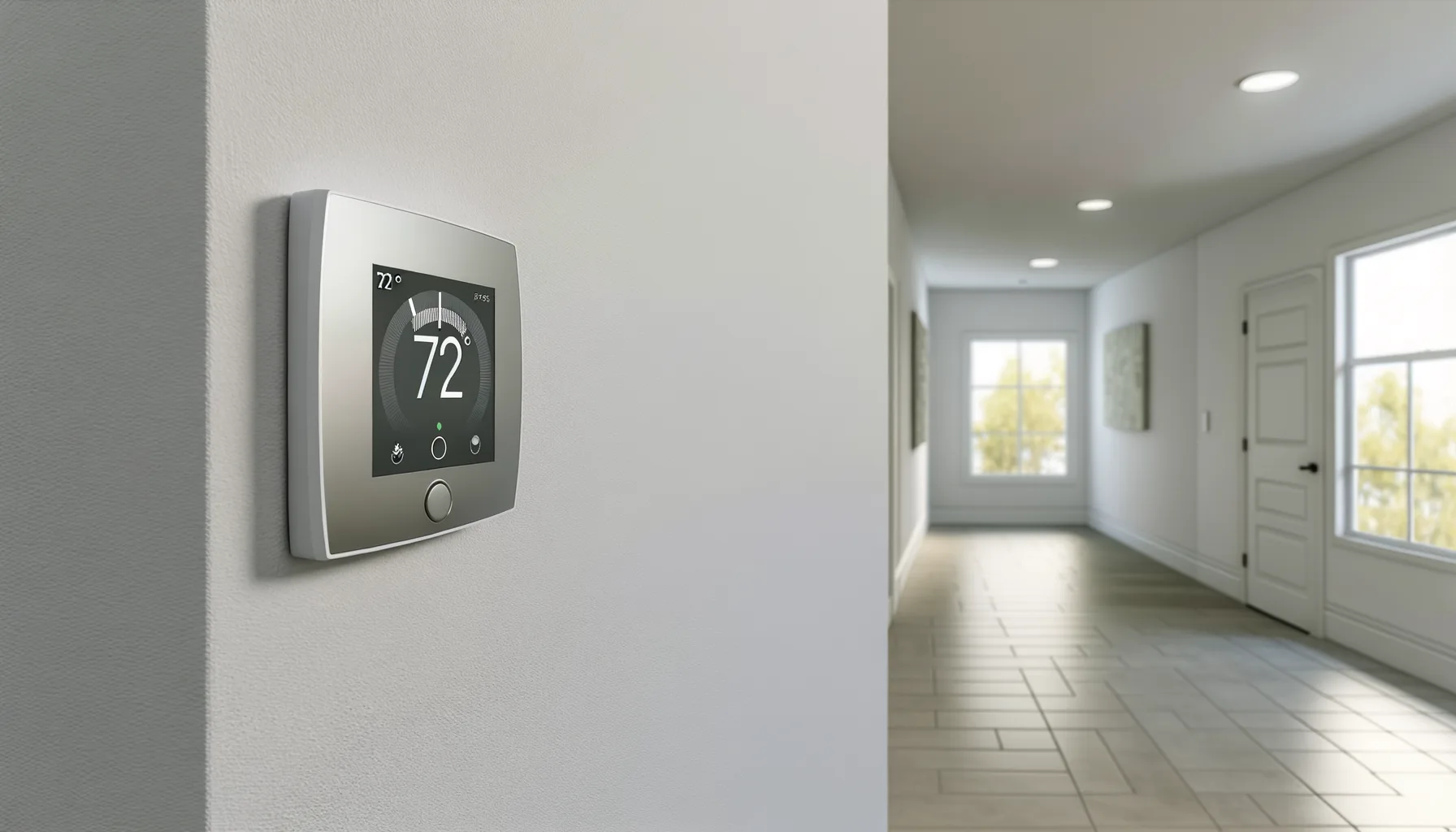
Imagine waking up one morning in Colorado Springs, only to realize that the temperature has plunged overnight, turning your home into a frigid box. With rapid temperature swings being a hallmark of our local climate, homeowners are increasingly seeking more efficient HVAC technologies. As we look toward 2026, advancements in heating and cooling systems promise to deliver greater energy savings, improved air quality, and enhanced comfort, ideal for a city characterized by its variable weather and unique residential architectures.
Why This Matters for Colorado Springs Homeowners
Colorado Springs residents face significant challenges with their HVAC systems due to the city's temperamental climate. When winter transitions to spring, rapid freeze-thaw cycles can stress not only the home structures built on expansive clay soils but also the HVAC appliances designed to keep them comfortable. Failure to adapt to these environmental conditions can lead to costly repairs and lowered efficiency.
Adding to this complexity are the hailstorms that can damage outdoor units, forcing homeowners to replace them sooner than anticipated. The heavy snowmelt in spring also necessitates robust drainage considerations that are often overlooked during system installation. Therefore, understanding technological advancements coming our way could save homeowners from future headaches and financial strains.
Tip: Stay proactive by regularly maintaining your HVAC system. Scheduled check-ups can identify issues early, prevent costly breakdowns, and ultimately extend the lifespan of your unit.
Expert Solutions & Actionable Tips
1. Upgrade to Smart Thermostats
Smart thermostats are on the rise for homeowners looking to conserve energy. In Colorado Springs, investing in a smart thermostat can cost around $150 to $300, and the installation may take roughly an hour. These devices learn your schedule and preferences, adjusting temperatures automatically, saving you energy costs year-round.
For example, during the coldest nights, your home will warm up just before you wake up. Many of these models can also be controlled remotely, allowing you to adjust settings if you’re not home.
2. Consider Ductless Systems
Ductless heating and cooling systems are increasingly popular in areas like Colorado Springs where homes built on clay soils require unique considerations. These systems can range from $3,000 to $5,000 installed, providing flexibility by allowing targeted heating or cooling in different areas of your home.
As a bonus, ductless systems eliminate the need for extensive ductwork or the limitations that central heating systems impose, making them a great option for older homes seeking efficient climate control without major renovations.
3. Explore Geothermal Heating
Geothermal heating technology is set to revolutionize HVAC systems by utilizing the earth's stable temperature. Although the initial investment can be significant, ranging from $10,000 to $30,000 depending on the installation, the long-term savings on energy bills can be substantial.
This environmentally-friendly option becomes particularly appealing in Colorado Springs, known for its natural resources, and could potentially lower utility costs by up to 70%. Geothermal systems are also incredibly efficient and durable, often requiring minimal maintenance.
4. Invest in High-Efficiency Air Filters
In Colorado Springs, where weather conditions can lead to dust and pollen accumulation, investing in high-efficiency air filters is integral to maintaining good indoor air quality. Replacement costs range between $10 and $50 depending on the type, and replacing filters every three months can help maintain optimal airflow and reduce allergens.
High-efficiency filters will trap more airborne particles, resulting in cleaner air and reducing the strain on your HVAC system, ultimately prolonging its life.
5. Implement Regular System Maintenance
In regions with fluctuating temperatures like Colorado Springs, regular HVAC maintenance can be life-saving. Homeowners should budget around $100 to $200 per service visit, which can be done bi-annually to check for leaks, clean components, and ensure efficiency.
This proactive approach not only mitigates the risk of emergency repairs but also enhances your HVAC system’s performance, particularly during high-demand seasons.
6. Stay Informed on Local Energy Incentives
Homeowners in Colorado Springs should keep an eye on local energy efficiency programs. Many utility companies offer rebates for upgrading to ENERGY STAR-rated HVAC systems. These incentives can significantly offset installation costs, sometimes covering 10% to 20% of the expense.
Monitoring local incentives not only prepares you for future investments but also contributes to a more sustainable community as utility companies strive to reduce energy use citywide.
Colorado Springs Climate & Local Context
Colorado Springs experiences a unique climate that can pose challenges for homeowners when it comes to HVAC solutions. With a high elevation and rapid weather changes, homes here often deal with temperature variations that can make heating and cooling more crucial than elsewhere in the state.
Additionally, many residences are built upon expansive clay soils, leading to specific drainage considerations that can affect HVAC efficiency. Ensuring proper drainage can prevent flooding and damage to your heating and cooling systems, highlighting the importance of local expertise.
Staying compliant with Colorado Springs building codes and permits is essential for any HVAC upgrades. The regulations often dictate installation methods, placement, and energy efficiency standards, factors that homeowners must carefully consider before making decisions about new systems.
When to Call a Professional
Identifying when to tackle an HVAC issue yourself versus calling in a professional can be nuanced, especially in the Colorado Springs area where specific conditions apply. If you experience control issues with your thermostat or hear unusual noises from your units, it might be wise to consult a professional. Special local conditions could mean these problems indicate more significant underlying issues.
- Repeatedly tripped circuit breakers
- Weak airflow or uneven heating/cooling
- Foul odors coming from vents
- Noticeable increase in energy bills
- Leaky ducts or condensation around units
- Inaccessible or old ductwork
- Unusual noises that disrupt household comfort
In general, if you feel uneasy about any aspect of HVAC work, it’s best to rely on local experts such as FrontRange Heating and Air Conditioning.
Frequently Asked Questions
What are the benefits of a smart thermostat in Colorado Springs?
Smart thermostats can optimize energy usage based on local climate patterns, leading to lower energy bills, which is crucial in a city with varying temperatures.
How often should I maintain my HVAC system?
Homeowners should aim for at least two maintenance visits per year to prepare for seasonal temperature shifts in Colorado Springs.
What types of HVAC systems work best in our climate?
Ductless and geothermal systems excel in Colorado Springs due to their efficiency and adaptability to the local environment.
Are there local incentives for upgrading HVAC systems?
Yes, many local utilities offer rebates for energy-efficient upgrades, making it financially easier to modernize your heating and cooling systems.
When should I consider replacing my HVAC system?
If your unit is over 10-15 years old, struggles with efficiency, or requires frequent repairs, it might be time to look into replacements.
Get Expert HVAC Service in Colorado Springs
If you've been contemplating the future of your HVAC system in Colorado Springs, now is the perfect time to start planning for the advancements coming in 2026. Call (719) 370-4189 to speak with the experts at FrontRange Heating and Air Conditioning about how you can prepare for these changes.
From seasonal maintenance to new installations, our knowledgeable team can help navigate the best options tailored specifically for your home and local climate conditions.